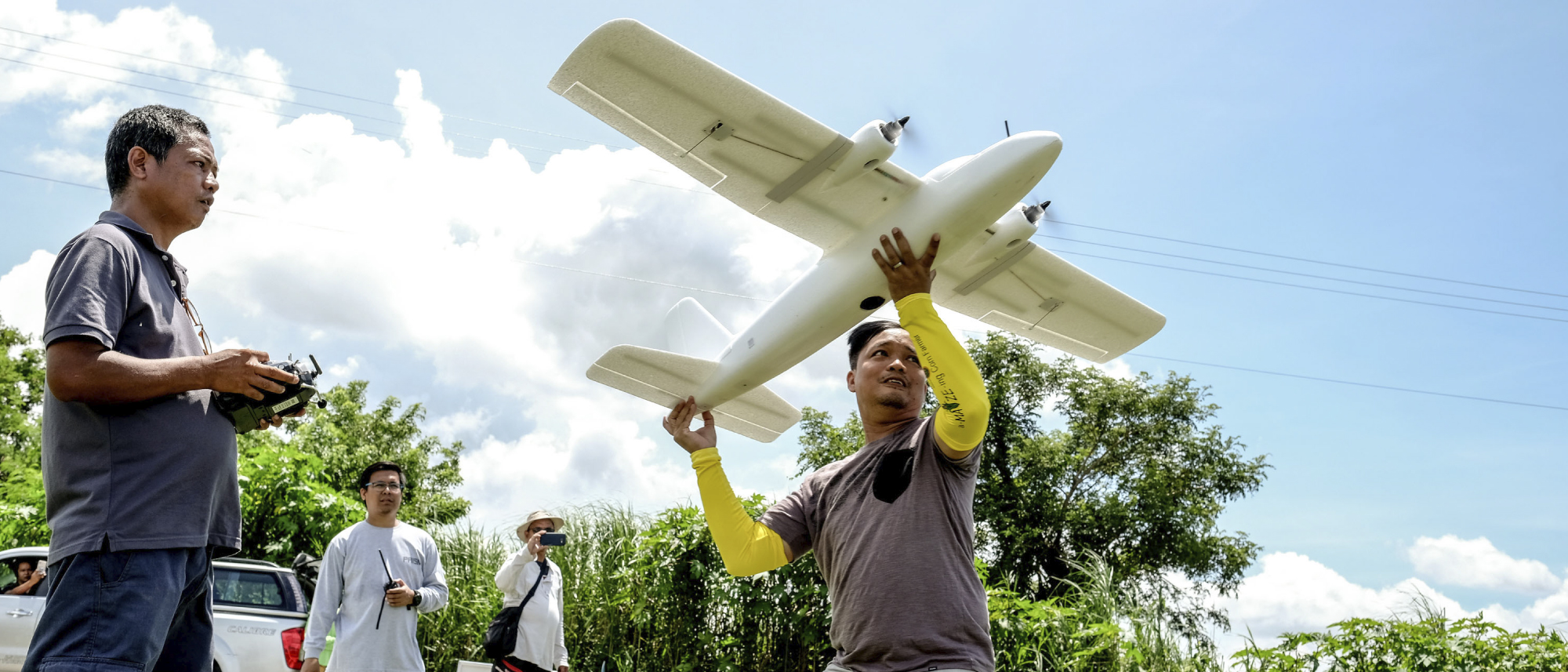
The Food and Agriculture Organization (FAO) of the United Nations presents this award to recognize ground-breaking contributions to the agrifood sector. It is designed to honor those who are transforming the way we produce, process, and consume food. The award highlights innovations that make agrifood systems more efficient, inclusive, resilient, and sustainable.
Program Overview
This is a prestigious global recognition. Unlike grants that fund future work, this award typically honors proven impact. It seeks initiatives that have already demonstrated success and have the potential to be scaled up. The focus is broad, covering everything from digital agriculture and supply chain improvements to new social models for empowering farmers.
Key Benefits
- Global Recognition: Winners are celebrated at a high-level ceremony (often during the FAO Conference), gaining worldwide visibility.
- Cash Prize: The award typically includes a cash prize (often around $10,000 USD, though this can vary by category) to support the further development of the innovation.
- Endorsement: Receiving an award from the UN/FAO serves as a powerful seal of credibility, opening doors to further investment and partnership.
- Showcase: Winners are featured in FAO’s global communication channels and case studies.
Eligibility Criteria
- Open To: Individuals, intergovernmental organizations, NGOs, civil society organizations, academic institutions, and private sector entities.
- Internal Track: Uniquely, there is often a specific category or track for FAO employees/teams to recognize internal innovation.
- Criteria: The innovation must demonstrate:
- Impact: Measurable positive effect on food security or nutrition.
- Scalability: Potential to be replicated in other contexts.
- Sustainability: Economic, social, and environmental viability.
Application Process
- Deadline: February 2026 (Specific dates are typically announced early in the year).
- Submission: Via the FAO Awards portal.
- Requirements: A nomination form (self-nomination is usually permitted) detailing the innovation, its impact metrics, and supporting evidence (photos, videos, reports).