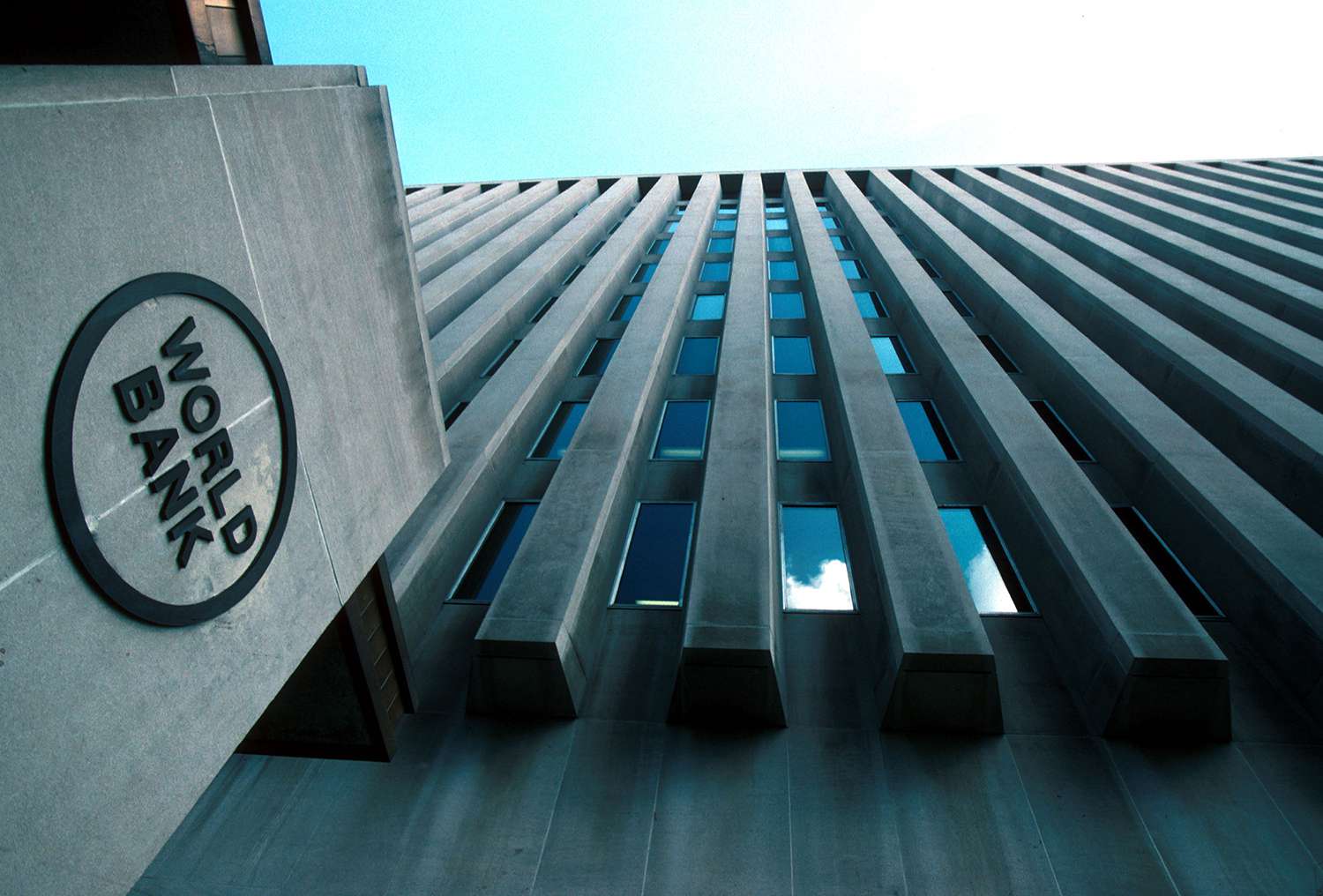
WASHINGTON D.C. – The World Bank’s 2026 fiscal strategy offers a compelling case study for those looking to understand the future of international development finance. Managed under the leadership of President Ajay Banga, the Bank’s “Evolution Roadmap” has fundamentally reshaped its mission from a pure poverty-reduction lender to a “knowledge and finance” engine designed to tackle global crises. With a financing capacity that has been stretched to over $190 billion annually through new balance sheet optimization, the Bank’s long-term strategy provides a clear signal on where global talent and capital will flow next.
Strategy: Hunting for “Scalable Impact”
The Bank’s approach, aggressively retooled for the 2026 cycle, is to build a portfolio of “Global Public Goods” rather than just isolated country projects. The investment philosophy has explicitly shifted away from small-scale infrastructure, instead seeking “bankable projects” that address cross-border challenges: climate change, pandemics, and fragility.
This strategy—termed the “Better Bank” initiative—prioritizes three key outcomes:
- Speed: Reducing the project approval time from 19 months to 12 months.
- Leverage: Using $1 of public money to mobilize $10 of private capital (the “Private Capital Mobilization” ratio).
- Scalability: Focusing on replicable solutions, such as the “Mission 300” initiative to electrify 300 million people in Africa.
The “Green” Allocation Shift
This strategic pivot results in a significant thematic focus on Climate Finance, which is targeted to account for 45% of the Bank’s total lending by the end of 2026. The portfolio’s top sector allocations for the coming fiscal year underscore this green transition:
- Climate & Biodiversity: 45% (Target)
- Human Capital (Health & Education): 25%
- Digital Infrastructure: 15%
- Fragility & Conflict Zones: 15%
This allocation reflects a “whole-of-economy” approach. The Bank is no longer just funding a dam; it is funding the policy framework that makes renewable energy profitable for private investors.
Management and Performance
A key feature of this new era is the introduction of the “Crisis Preparedness Toolkit.” In the 2026 cycle, the Bank has introduced clauses that allow countries to pause debt repayments during natural disasters. This innovation—known as Climate Resilient Debt Clauses (CRDCs)—is a financial product designed to prevent liquidity crises in vulnerable nations like Barbados or Vanuatu.
Performance is now measured not just in dollars lent, but in outcomes achieved. The new “Corporate Scorecard” launched in late 2025 tracks metrics like “Gigatons of CO2 avoided” and “Students gaining digital proficiency,” rather than simply “Roads built.”
The Connection to Opportunity
For professionals and aspiring scholars, the World Bank’s “Evolution Roadmap” serves as a market signal. The massive shift of capital into Climate Finance and Human Capital creates an immediate, high-value demand for experts in these fields.
This strategy explains why the Joint Japan/World Bank Graduate Scholarship Program (JJ/WBGSP) has become so competitive and specific. The Bank is actively recruiting the workforce needed to implement this roadmap. It needs economists who understand carbon credits, engineers who can design climate-resilient cities, and health experts who can manage pandemic funds.
Disclaimer: This article is for informational purposes only. The World Bank’s strategies are subject to board approval and global economic conditions.